City of Charlottesville Snow Removal and Storm Prep Manual
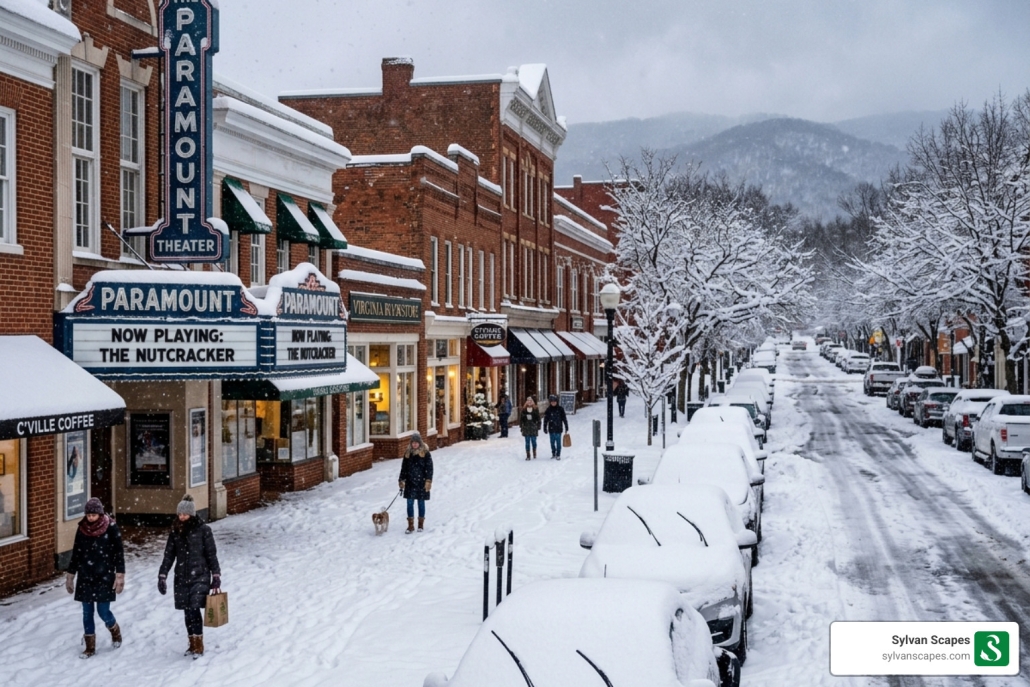
What the Charlottesville Snowstorm Means for Your Property and Safety
A charlottesville snowstorm can shut down roads, knock out power for days, and leave sidewalks dangerously iced over — here’s what you need to know at a glance:
Quick answers for Charlottesville snowstorm conditions:
- Snowfall (Jan 2026): Up to 5 inches of snow Saturday night, followed by 4–5 inches of sleet Sunday, plus a layer of freezing rain
- Road clearing: City manages 165 centerline miles; VDOT handles Albemarle County roads — secondary roads can take days to clear
- Sidewalk rule: Property owners must clear sidewalks within 24 hours of the official end of snowfall (City Code Section 28-25)
- Emergency Snow Routes: Activated by 9:00 AM Saturday, January 24 — vehicles left on these routes will be towed
- Free parking: Market Street and Water Street Garages offered complimentary parking during the storm window
- Power outages: Report to Dominion Energy at 866-366-4357 or online; outages can last multiple days
- Need help shoveling? Over 220 households requested assistance — contact United Way of Greater Charlottesville
As Charlottesville’s emergency management coordinator put it plainly: “This is not your average snowstorm.” And for property owners — especially those managing trees, driveways, and large lots — that warning carries real weight.
I’m Kevin Thompson, ISA Certified Arborist and founder of Sylvan Scapes, and I’ve seen how a major charlottesville snowstorm can stress trees, damage landscaping, and overwhelm property owners trying to manage their grounds safely. This guide breaks down exactly how the city responds — and what you need to do to stay ahead of it.
Understanding the Charlottesville Snowstorm Timeline and Impact
When we look back at the January 2026 charlottesville snowstorm, the timeline was a classic example of how Mid-Atlantic weather can throw a “triple threat” at us. It wasn’t just a simple snow event; it was a multi-stage weather siege that paralyzed Central Virginia.
The storm began Saturday night, January 24, dropping up to 5 inches of snow. While that’s manageable for most, the real trouble arrived Sunday. Throughout the day, an additional 4 to 5 inches of sleet fell, followed by a brief but devastating period of freezing rain. This sequence created a “glaze” effect—a heavy, icy crust that bonded to the snow beneath it.
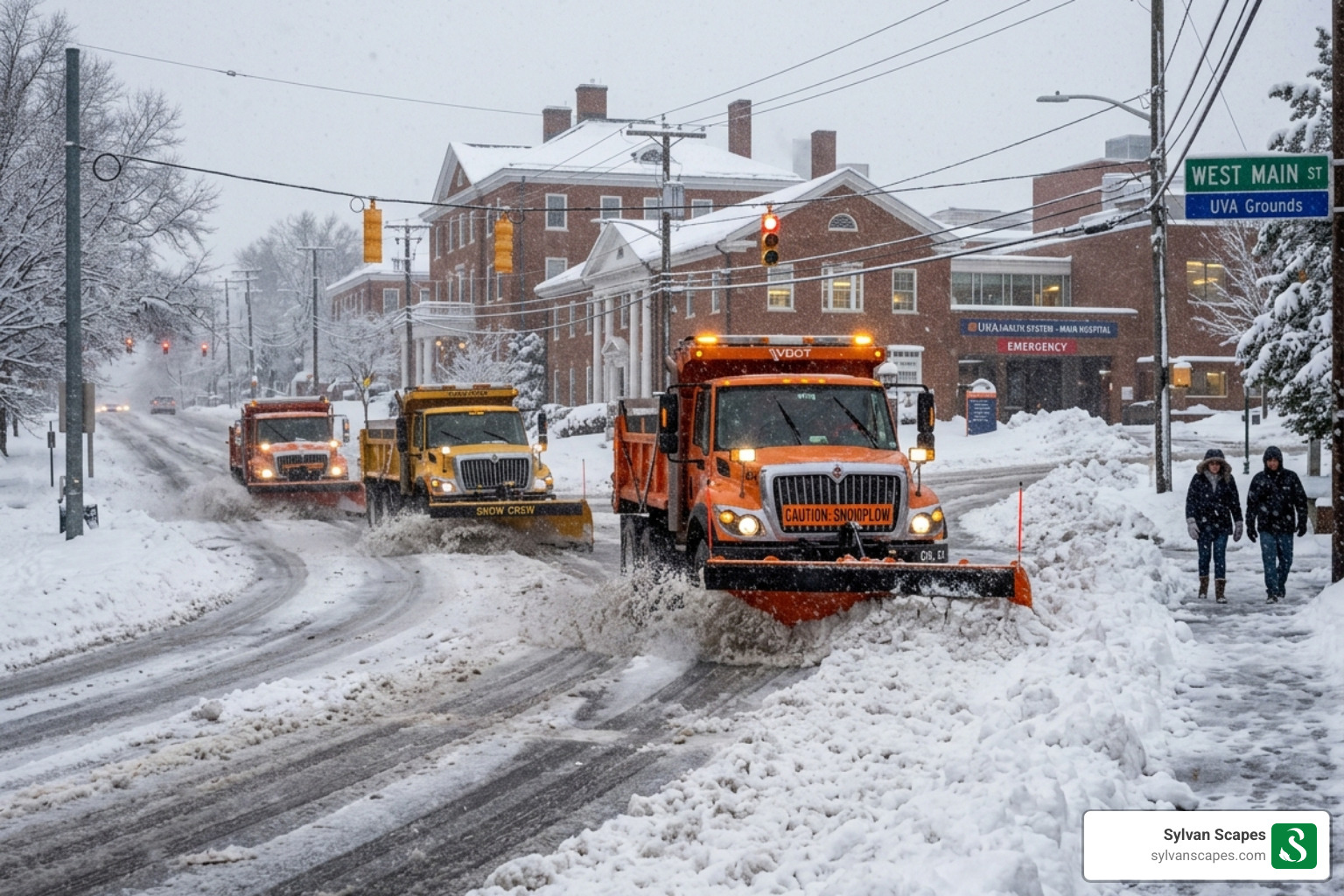
For those of us in Albemarle County and the city, the impact was immediate. Streets that weren’t frequently plowed became impassable within hours. While the City of Charlottesville manages its own internal road network, the Virginia Department of Transportation (VDOT) is responsible for the primary and secondary roads throughout Albemarle County. Even with crews working around the clock, secondary roads often took days to clear.
The weight of the ice glaze led to sweeping power outages. Because the sleet froze the snow piles into solid blocks, travel became exceptionally hazardous. Residents were urged to check real-time road conditions and closures before even considering stepping out. For many, the best advice was simply to “hunker down” and stay off the roads to allow emergency responders and plows to do their work.
City Operations: How Charlottesville Manages Snow and Ice
Managing a charlottesville snowstorm is a massive logistical undertaking. We often see the plows go by, but the scale of the operation is impressive. The City of Charlottesville is responsible for:
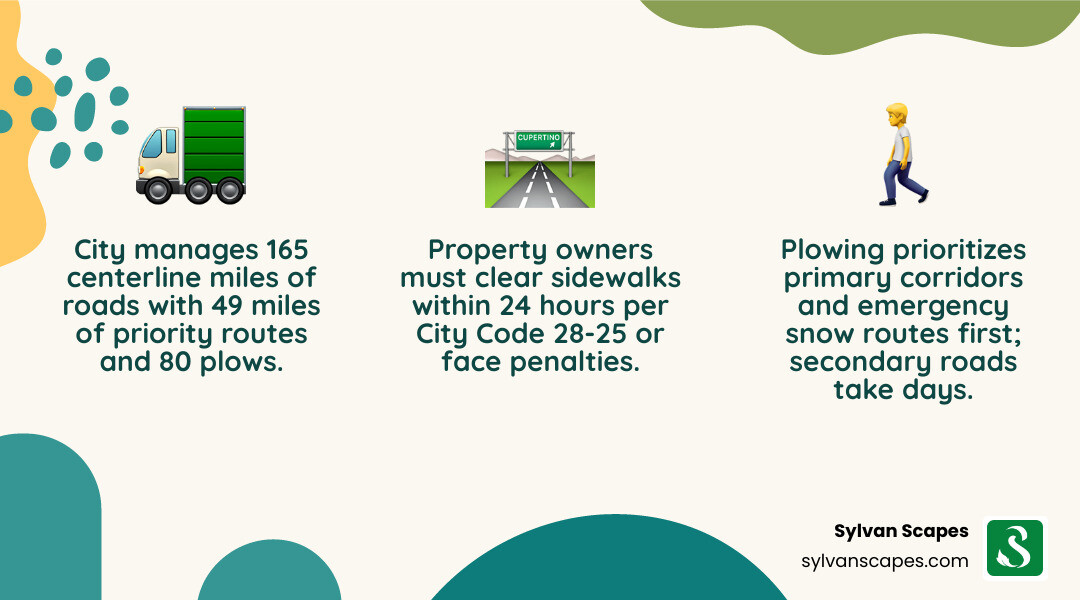
- 165 centerline miles of roadway
- 49 miles of sidewalks
- Over 45 municipal and school parking lots
To handle this, the city mobilizes more than 165 employees for snow operations. At the peak of the January 2026 storm, 127 personnel were directly involved in snow and ice removal, utilizing over 80 pieces of equipment, including 25 dedicated snowplow trucks equipped with salt spreaders and brine tanks.
A key part of the city’s strategy is brine pretreatment. By applying a salt-water solution to the roads before the flakes fall, the city prevents ice from bonding to the pavement. This makes plowing much more efficient. Furthermore, the city uses GPS tracking on its snow vehicles, allowing for real-time coordination and ensuring no neighborhood is left behind.
Plowing priorities are strictly enforced to ensure public safety. Primary corridors—the major roads that lead to hospitals, fire stations, and police headquarters—are cleared first. Once those are safe, crews move to secondary routes and neighborhood streets. For more on how to stay safe during these events, you can review winter weather preparedness and safety tips.
Emergency Snow Routes and Parking During a Charlottesville Snowstorm
During a significant charlottesville snowstorm, the City Manager may activate “Level 1 Snow Operations.” This triggers the activation of Emergency Snow Routes. These are specific corridors—like Market Street, High Street, Water Street, and West Main Street—where on-street parking is prohibited to allow plows to clear the full width of the road.
| Route Type | Restrictions | Consequences |
|---|---|---|
| Emergency Snow Route | No parking allowed after the 9:00 AM deadline | Immediate towing at owner’s expense |
| Standard Residential Street | Parking allowed, but residents encouraged to move cars | Snow may be “plowed in” around the vehicle |
During the 2026 storm, the city offered complimentary parking in the Market Street and Water Street Garages from Friday evening through Tuesday morning. This was a vital resource for residents who live on narrow streets or emergency routes, helping them avoid towing while ensuring the city could clear the lanes for emergency vehicles.
Essential Resources for a Charlottesville Snowstorm
Staying informed is half the battle when the power goes out and the wind picks up. We always recommend that our clients and neighbors bookmark these essential resources:
- Emergency Alerts: Sign up for emergency notifications through CUA 911 to get text or email updates on storm severity and local closures.
- Road Conditions: Visit 511 Virginia or call 511 for the latest on highway conditions.
- Power Outages: If your lights flicker and die, use Dominion Energy’s power outage reporting tool or call 866-366-4357.
- Community Support: Dialing 2-1-1 in Virginia connects you with local community support services, including the location of warming centers if your home becomes too cold to inhabit safely.
- MyCville App: Use this for reporting non-emergency issues like downed trees in public parks or uncleared city sidewalks.
Resident Responsibilities and Sidewalk Clearing Ordinances
While the city handles the streets, the responsibility for sidewalks falls largely on us—the property owners. According to Charlottesville City Code Section 28-25, owners and occupants are required to clear snow, sleet, and ice from paved sidewalks abutting their property.
The clock starts ticking as soon as the city declares the snowfall has ended. For the January 2026 storm, the official end was declared at 7:30 PM on Sunday, January 25. This meant all sidewalks had to be cleared by 7:30 PM on Monday, January 26—the 24-hour rule.
This isn’t just about avoiding a fine; it’s about accessibility. Uncleared sidewalks force parents with strollers, elderly residents, and people with mobility devices into the street, which is incredibly dangerous during a charlottesville snowstorm. The city especially prioritizes “Safe Routes to School” to ensure children can walk to class safely once schools reopen.
It’s also important to note City Code Section 28-26, which prohibits pushing or piling snow into public streets or onto other sidewalks. This can create new hazards and interfere with the city’s plowing efforts. If you are managing a business and need professional help, you can find more info about Staunton commercial snow removal to ensure your property remains compliant and safe.
Challenges of Ice Removal After a Charlottesville Snowstorm
The 2026 storm presented a unique challenge that locals dubbed “glacier deconstruction.” Because of the freezing rain that fell on top of the sleet and snow, the resulting mess wasn’t fluffy—it was a solid, heavy slab of ice.
Shoveling this kind of accumulation is physically exhausting and carries significant heart attack risks. The combination of cold air (which constricts blood vessels) and heavy lifting can be fatal, even for those who consider themselves healthy.
Tips for safe ice removal:
- Sun-Melt Assistance: If the sun comes out, let it do some of the work for you before you start scraping.
- Sand and Salt: Apply salt or sand early to break the bond between the ice and the pavement.
- Volunteer Assistance: The United Way of Greater Charlottesville partners with the city for a volunteer snow removal program. In 2026, over 220 households requested help, though volunteers were in short supply. If you’re able-bodied, consider signing up to help a neighbor!
Historical Context: Comparing Past Charlottesville Winter Events
We often think the most recent storm is the worst, but Charlottesville has a long history of battling the elements. Looking back helps us put the January 2026 event into perspective.
- The March 1962 Storm: This remains the “gold standard” for local blizzards, dumping nearly 24 inches of snow and causing roof collapses across the city.
- The January 1987 Blizzard: A 13-inch event that saw UVA students famously using dining hall trays as makeshift sleds.
- The 2009-2010 Record Winter: Charlottesville saw a staggering 55 inches of snow total that season. This was the year of “Mount Chipotle”—a massive snow pile in a parking lot that grew so large (up to 40 feet!) that graduate students turned it into a fake “national research observatory” to raise money for charity.
- The 2013 Snowfall: This 17-inch storm is remembered for a massive midnight snowball fight on the UVA Lawn involving hundreds of students.
While the 2026 charlottesville snowstorm didn’t break the record for depth, its combination of snow, sleet, and ice made it one of the most difficult to clear in recent memory.
Frequently Asked Questions about Charlottesville Snow
How do I report a power outage or downed line?
You should contact Dominion Energy immediately at 866-366-4357 or report it via their website. Never approach a downed power line, even if it doesn’t appear to be “live.” Ice-laden trees are a major cause of downed lines in our area. If a line falls on your car while you are inside, stay put and call 911. To preserve food during an outage, keep your refrigerator and freezer doors closed as much as possible.
What are the penalties for not clearing my sidewalk?
If you fail to clear your sidewalk within the 24-hour window, the city may issue a warning. If the sidewalk remains uncleared, the city can hire a private crew to do the work and bill the property owner for the cost. This is enforced to ensure accessibility compliance and pedestrian safety for the entire community.
Where can I park if I live on an Emergency Snow Route?
During Level 1 operations, you should move your vehicle to a side street (where permitted) or take advantage of the complimentary parking offered at the Market Street and Water Street Garages. Towing is strictly enforced on emergency routes to ensure plows can clear the way for ambulances and fire trucks.
Conclusion
Surviving and recovering from a charlottesville snowstorm requires a mix of city coordination and individual responsibility. From the 165 miles of road cleared by city crews to the small stretch of sidewalk in front of your home, every bit of effort counts toward getting our community back on its feet.
At Sylvan Scapes, we understand the unique challenges that Virginia winters pose to your property. Whether it’s assessing the health of a “glazier-damaged” oak tree or providing professional landscaping and grounds maintenance, our team of ISA Certified Arborists is here to help. We’ve been serving the Shenandoah Valley, including Albemarle and Augusta counties, since 2003, and we know exactly what it takes to preserve the beauty and safety of your land after a storm.
If you need help with storm recovery or are looking for reliable Staunton Commercial Snow Removal, reach out to us. Let’s make sure your property is ready for whatever the next winter season brings.