How to Grow Your Career at Davey Resource Group
What You Need to Know About Careers in Utility Forestry and Environmental Consulting
Careers in utility forestry, environmental consulting, and natural resource management span a wide range of roles – from entry-level field technician positions to senior consulting careers. Here is a quick snapshot of the kinds of opportunities commonly available across this sector:
| Category | Details |
|---|---|
| Common openings | Utility forestry, environmental field work, GIS support, project management |
| Frequent entry role | Consulting Utility Forester or Field Technician |
| Typical job types | Full-time, temporary, contract, and internship opportunities |
| Work setting | Mostly on-site field work, with limited hybrid or remote positions |
| Experience levels | Entry-level through mid-senior leadership |
| Hiring trend | New postings often appear regularly across multiple states |
Utility forestry and environmental consulting remain active employment areas for professionals who want a career connected to land stewardship, vegetation management, compliance, and field operations. Whether you are just starting out or looking to move into a senior role, there can be a meaningful career path here – not just a job.
Many companies in this industry emphasize safety, technical training, and long-term advancement. Roles often combine outdoor field work with data collection, mapping, regulatory awareness, and communication with property owners, municipalities, or utility partners.
I am Kevin Thompson, ISA Certified Arborist and founder of Sylvan Scapes, and my background in tree care and forestry gives me a front-row view of what employers in this sector look for in candidates pursuing careers in utility forestry and environmental services. In this guide, I will walk you through the career paths, qualifications, and benefits so you can make a confident move.
For broader background on the profession itself, the U.S. Bureau of Labor Statistics overview for conservation scientists and foresters is a useful resource.
Understanding Utility Forestry and Environmental Consulting Careers
When you look into careers related to utility forestry and environmental consulting, you are not just looking at tree trimming. Many organizations in this space focus on the technical and planning side of the industry, providing natural resource management, environmental compliance, and vegetation consulting services across the country.
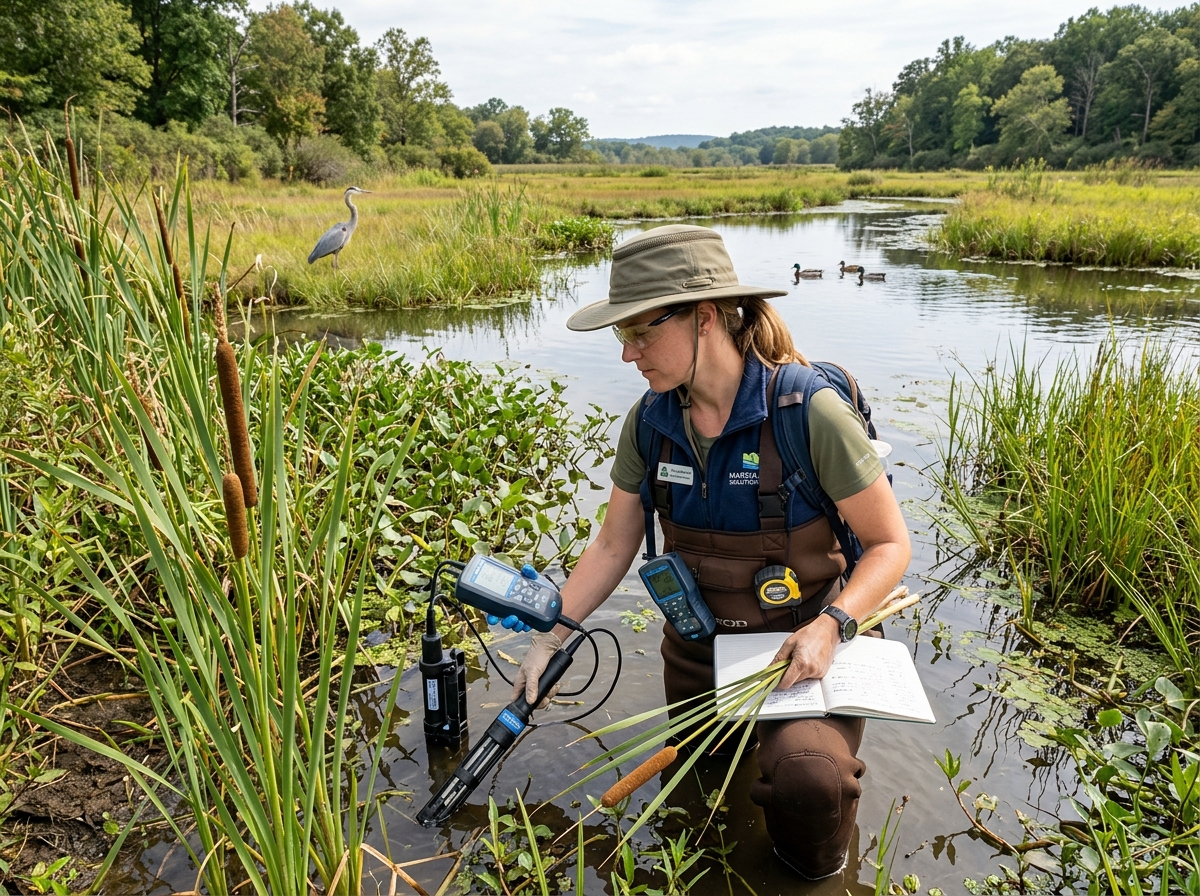
The service mix across this field is broad, which is why the job variety is so high. If you enjoy the intersection of technology and nature, there is plenty to explore. Key services often include:
- Utility Forestry: Helping utility companies manage vegetation near power lines to reduce outages and wildfire risk.
- Environmental Consulting: Wetland and stream studies, ecosystem restoration, and mitigation support.
- Water Resource Engineering: Stormwater management and compliance work that helps protect local waterways.
- Urban Forestry Planning: Using tree inventory systems and GIS-based tools to help cities manage their urban canopy.
- Invasive Species Management: Identifying and removing non-native plants that threaten local ecosystems.
Whether it is conducting a wetland delineation or managing a large-scale invasive species removal project, these services translate into specific daily tasks for field and consulting teams.
Top Career Paths in Utility Forestry and Environmental Services
If you are browsing current openings in this field, you will notice a few titles appearing often. These roles represent the backbone of the industry and offer distinct paths for growth.
Consulting Utility Forester
This is one of the most common entry points. In this role, you are not usually the one physically cutting the trees. Instead, you serve as the “eyes” for the utility company. You will work independently outdoors, inspecting rights-of-way for vegetation conflicts with overhead conductors. You may use handheld computers for GIS data entry and spend a lot of time talking to landowners to notify them of upcoming work.
Environmental and Field Technicians
For those who love being in the field, Environmental Technician and Utility Asset Management Field Technician roles are common. These jobs often involve:
- Vegetation management and invasive species control.
- Pole inspections and make-ready engineering for telecommunications.
- Traveling to various sites to perform field inventory.
Project and Program Management
As you gain experience, you can move into management. For example, an OSP Fiber Project Manager may oversee the deployment of fiber optic cables, supervise field construction, and coordinate between internal teams and contractors.
Career Path Comparison Table
| Feature | Entry-Level Technician | Senior Project Manager |
|---|---|---|
| Primary Work Setting | 100% Field / Outdoors | Hybrid / Office & Field |
| Key Tools | GIS Handhelds, Measuring Tools | Project Software, Budgets |
| Travel Requirement | High (often 100%) | Moderate / Regional |
| Focus | Data Collection & Execution | Strategy & Client Relations |
If you are ready to see where you fit, you can research available roles to find a position that matches your current skill set.
Essential Qualifications for Utility Forestry and Environmental Careers
Because this is a research-driven and safety-sensitive field, employers place a high value on education and certification. You cannot just improvise when you are managing water resources, environmental compliance, or vegetation risk around critical infrastructure.
Education and Background
For many consulting and forestry roles, employers look for a degree or significant coursework in:
- Arboriculture
- Forestry
- Horticulture
- Environmental Science
Technical Skills
In modern utility forestry and environmental work, a clipboard and a pen are rarely enough. Proficiency in GIS (Geographic Information Systems) software is a major plus. You will also need strong analytical skills to interpret environmental data and provide timely updates to project partners.
Physical and Legal Requirements
The work is often rugged. You need to be physically fit enough to navigate uneven terrain in all weather conditions. A valid driver’s license is usually non-negotiable, as many roles require driving a company vehicle to remote sites.
Safety and Communication
Safety compliance is a top priority across the industry. Beyond safety, you need to be a people person. A big part of many field roles involves landowner notification – explaining to a homeowner why a tree near a power line needs to be pruned.
To get a better sense of specific requirements for active roles, review the fine print on the listings that interest you.
Employee Benefits and the Ownership Culture
One of the most appealing aspects of careers in this industry is the potential for long-term stability, training, and advancement. Some organizations in utility forestry and environmental consulting even operate with employee-ownership structures, while others focus on strong retirement programs and internal career development.
The Perks Package
For eligible employees, benefits in this field often include:
- Financial Security: 401(k) plans, retirement benefits, and in some cases employee ownership opportunities.
- Health & Wellness: Health insurance and paid time off (PTO).
- Field Support: In some roles, a company vehicle, cell phone stipend, or meal per diem may be included when travel is required.
- Compensation: Overtime pay may apply for hours worked over 40 per week, depending on the role and employer.
Training and Stability
Many employers in this sector invest heavily in training. Internal development programs, safety education, and technical instruction help employees stay current on scientific methods, field procedures, and compliance standards. That focus on growth is one reason these careers can offer real long-term potential rather than short-term work.
Frequently Asked Questions about Careers in This Field
Where are the most common locations for utility forestry and environmental jobs?
These roles are found across the United States, with many opportunities concentrated in regions that have active utility infrastructure, urban forestry programs, transportation projects, and environmental compliance work. Midwest and Southern states often show strong demand, and many positions are field-based with regional travel requirements.
What is the typical salary for jobs like these?
Compensation varies widely by role, employer, and experience level. Entry-level technicians and utility forestry positions often pay hourly wages, while senior engineering or project management roles are more commonly salaried. Overtime, travel compensation, and field per diem may also affect total earnings depending on the employer and assignment.
Are remote or hybrid options common?
The nature of environmental and forestry work is hands-on. Most roles are on-site, field-based, or travel-heavy, while a smaller number of project management, GIS, or administrative positions may offer hybrid flexibility. Fully remote opportunities exist, but they are much less common than field or office-based roles.
Conclusion
Growing a career in the green industry requires a mix of passion for the environment and a commitment to professional excellence. Whether you are exploring utility forestry and environmental consulting careers or considering a local path here in the Shenandoah Valley, the opportunities for growth are immense.
At Sylvan Scapes, we share that same dedication to the science of tree care. We know that whether you’re a utility forester or a residential arborist, the goal is the same: stewardship of our natural world. If you’re looking for Expert grounds maintenance and tree care services in Staunton, Charlottesville, or the surrounding counties, our team of ISA Certified Arborists is here to help your landscape thrive while you grow your career.