Thirsty No More for Albemarle Lawns
Why Drought Tolerant Turf Albemarle Homeowners Choose Matters This Summer
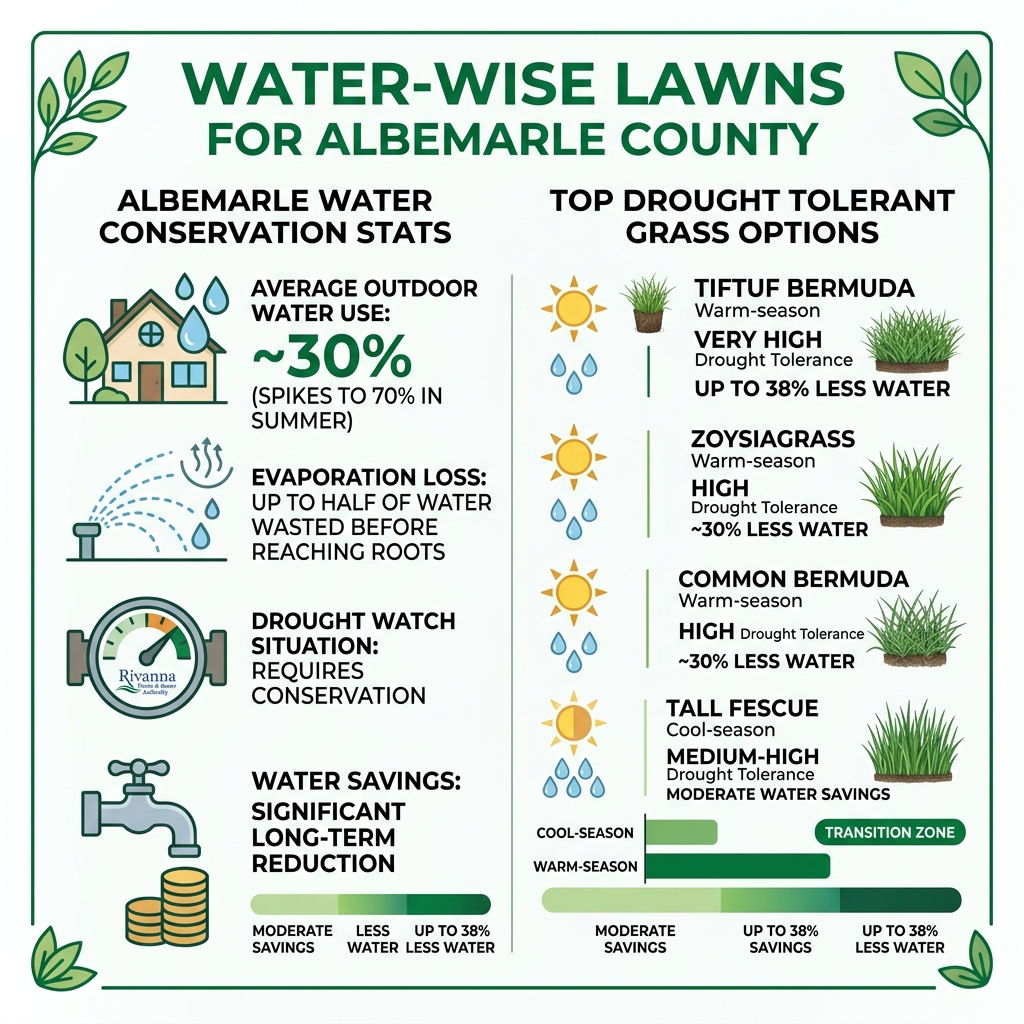
Drought tolerant turf Albemarle homeowners need most comes down to a short list of proven grass varieties:
| Grass Type | Season | Drought Tolerance | Water Savings vs. Standard |
|---|---|---|---|
| Tall Fescue | Cool-season | Medium-High | Moderate |
| TifTuf Bermuda | Warm-season | Very High | Up to 38% less |
| Zoysiagrass | Warm-season | High | ~30% less |
| Common Bermuda | Warm-season | High | ~30% less |
Albemarle County sits squarely in Virginia’s turfgrass transition zone — hot, dry summers and cold winters make it tough on almost every grass species. The average suburban home here already sends at least 30% of its water use outside, and that number can spike to 70% in summer. Half of that water can be lost to evaporation before it ever reaches a root.
When the Rivanna Water and Sewer Authority declares a drought watch — which has happened in recent years — homeowners with the wrong grass are caught scrambling. The right turf choice makes a real difference, both in your water bill and in how your lawn looks in August.
I’m Kevin Thompson, founder of Sylvan Scapes and an ISA Certified Arborist serving Albemarle, Augusta, and Rockingham Counties since 2003 — and helping clients choose and maintain drought tolerant turf Albemarle properties demand is a regular part of what we do. Read on for everything you need to make a smart, water-wise decision for your lawn.
Top Varieties for Drought Tolerant Turf Albemarle
Living in the “transition zone” means we are too far south for some cool-season grasses to thrive without a struggle, and just far enough north that warm-season grasses go dormant (turn brown) during our chilly winters. However, when the mercury hits 95 degrees in July, the “drought tolerance” of your lawn becomes the only thing that matters.

When we talk about drought tolerant turf Albemarle residents can rely on, we are looking for plants that either have massive root systems to find deep water or a biological “pause button” that lets them survive on very little.
| Feature | Cool-Season (e.g., Tall Fescue) | Warm-Season (e.g., Bermuda, Zoysia) |
|---|---|---|
| Active Growth | Spring & Fall | Summer |
| Water Needs | ~1 inch per week | ~0.7 inches per week (30% less) |
| Dormancy | Browns in extreme heat/drought | Browns in winter/first frost |
| Root Depth | Up to 2-3 feet | Can reach 6 feet (Bermuda) |
Selecting Heat Resistant Grass
If you are looking for the best “all-rounder” for our area, Tall Fescue is usually the winner. It is a cool-season grass, but it’s the “tough guy” of the group. Unlike Kentucky Bluegrass, which might check out early when things get dry, Tall Fescue develops deep roots that can tap into moisture deep in our Virginia clay.
However, if you really want to save on your water bill, you might look at warm-season options. According to the May Lawn Care – Piedmont Master Gardeners, Virginia’s climate can be harsh on grass in both seasons, but warm-season grasses like Bermuda and Zoysia are becoming more popular in Albemarle because they thrive in the heat that wilts everything else.
- Tall Fescue: Great for year-round green (mostly), but needs more water in July.
- Bermuda Grass: Loves the sun, spreads quickly to fill in bare spots, and is incredibly hard to kill once established.
- Zoysiagrass: Thicker and more carpet-like than Bermuda, handles a bit more shade, and feels great underfoot.
Performance of Warm-Season Cultivars
In recent years, turf science has given us some “super-grasses.” One of the most impressive is TifTuf Bermuda | Shade & Drought Tolerant Bermuda Grass. This variety was bred specifically to use 38% less water than other Bermuda varieties. In university trials, it stayed green long after other grasses turned brown. It’s essentially the “camel” of the grass world.
Another exciting newcomer is Lobo Zoysia. Often called a “unicorn” grass, it combines the aggressive growth of Bermuda with the beauty of Zoysia. It establishes much faster than older Zoysia varieties, meaning you aren’t waiting three years for a full lawn. These warm-season cultivars are game-changers for those looking for drought tolerant turf Albemarle landscapes can sustain with minimal irrigation.
Establishing Your Water-Wise Lawn
You can buy the most expensive, drought-resistant seed in the world, but if you toss it onto hard-packed clay, you’re just feeding the birds. Proper establishment is 90% of the battle.
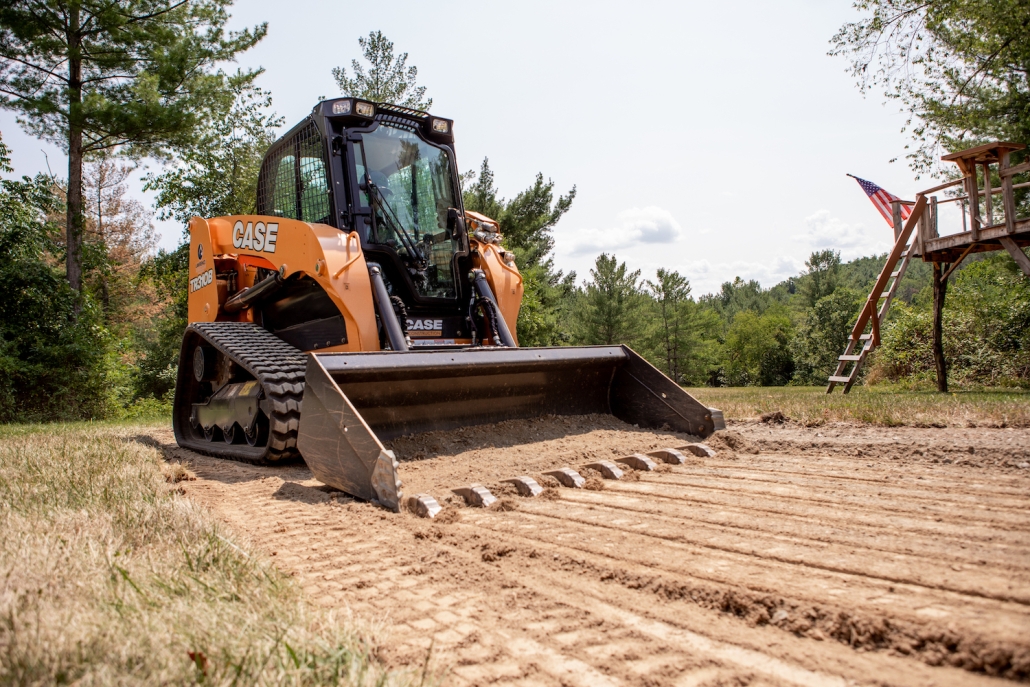
At Sylvan Scapes, we’ve seen that the most successful lawns start with a clean slate. You can see some of our local transformations in our Portfolio Entries Turf. The process starts with removing weed competition and ensuring the soil can actually “breathe.”
Establishing Drought Tolerant Turf Albemarle
Before you plant a single seed or lay a piece of sod, you must know what’s happening underground. Most soil in Albemarle County is naturally acidic. If your pH is off, your grass can’t “eat” the nutrients in the soil, no matter how much fertilizer you apply.
We always recommend starting with a test from the Virginia Tech Soil Testing Lab. They will give you a detailed report on your nutrient levels and, most importantly, your pH. For a healthy, drought-resistant lawn, we usually aim for a pH of around 6.5. To get there, we often need to apply lime to neutralize the acidity. This simple step makes the grass much more resilient when the summer heat hits.
Seeding vs Sodding Processes
Should you seed or sod? It depends on your timeline and budget.
Seeding is more cost-effective but requires patience. For drought tolerant turf Albemarle projects, we recommend using a high-quality, certified seed. Look for the “Blue Tag” on seed bags, which indicates it has been certified by the Virginia Crop Improvement Association (VCIA). This ensures you aren’t accidentally planting a bunch of weeds. After seeding, we use straw mulch or erosion matting to keep the moisture in and the birds out.
Sodding gives you an “instant lawn.” It’s great for steep hills where seed might wash away. The key with sod is “contact.” You want that sod pressed firmly against the prepared soil so the roots can dive deep immediately. Regardless of the method, the Extension publication site reminds us that soil preparation for both methods is virtually identical—you can’t skip the hard work of grading and tilling just because you’re using sod.
Maintenance and Conservation Strategies
Once your lawn is established, the goal is to “train” it to be tough. If you water your grass for five minutes every day, the roots will stay right at the surface because that’s where the water is. When a drought hits, those shallow roots dry out in hours.
Cultural Practices for Resilience
The secret to a drought-hardy lawn is “Deep and Infrequent” watering. We want to apply about an inch of water in one or two sittings per week. This forces the roots to grow deep into the soil to find the moisture as the surface dries out.
Mowing also plays a huge role. We follow the 1/3 Rule: never remove more than one-third of the grass blade at a time. For Tall Fescue, we recommend keeping it high—around 3 to 4 inches. Taller grass shades the soil, which keeps it cooler and reduces evaporation. As Shawn Askew notes in the Virginia Cooperative Extension publication on mowing, higher mowing heights directly correlate to deeper root systems.
Other essential practices include:
- Core Aeration: This involves pulling small plugs of soil out of the ground. It breaks up compaction and allows water and air to reach the roots. We often do this in the fall for fescue lawns.
- Dethatching: If the “thatch” (dead grass material) gets too thick, it can act like a waterproof roof, preventing rain from reaching the soil.
- Sharpening Blades: Dull blades tear the grass, causing it to lose more moisture through the “wound.”
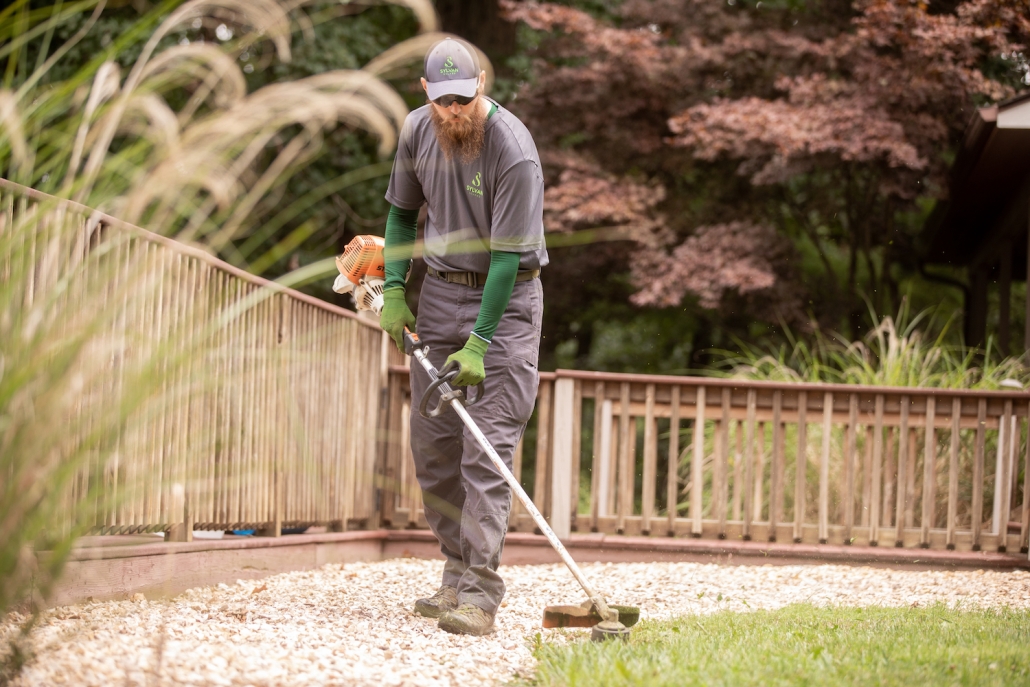
For ongoing care, our Staunton Landscaping Company Turf Maintenance team can help set up a schedule that prioritizes health over just “looking green” temporarily.
Smart Irrigation and RWSA Guidelines
In Albemarle, we have to be mindful of the Rivanna Water and Sewer Authority (RWSA) guidelines. During a Drought Watch, it’s not just about saving money; it’s about protecting our local water supply.
One of the best ways to conserve is by using Rain Barrels. They capture free water from your roof that you can use for flower beds or small turf areas. For your main lawn, consider “Smart Irrigation” controllers that check the local weather and skip watering if rain is in the forecast.
Not sure how much your sprinklers are putting out? Use the “Tuna Can Test.” Place a few empty tuna cans around your yard while the sprinklers are running. Once they have an inch of water in them, you know exactly how long you need to run your system to hit that weekly goal.
Frequently Asked Questions
How much water does a lawn in Albemarle really need?
Most grass varieties in Virginia need approximately 1 inch of water per week during the growing season. If you step on the grass and it springs back, it doesn’t need water. If your footprints stay visible, it’s thirsty! During a severe drought, you can let cool-season grasses go dormant—they only need about 1/4 inch of water every two weeks just to keep the “crown” of the plant alive.
When is the best time to water to avoid evaporation?
The “Sweet Spot” is between 4:00 AM and 8:00 AM. The air is cool, the wind is usually calm, and the water has time to soak into the soil before the sun starts baking it away. Watering at night (after 10:00 PM) is okay, but it can sometimes lead to fungal issues because the grass stays wet for too long.
What is the ideal mowing height for drought resistance?
For Tall Fescue, keep it at 3 to 4 inches. For warm-season grasses like Bermuda, you can go lower (1 to 2 inches), but even then, keeping it on the higher end of its recommended range during a heatwave will help protect the soil from sun-scald and moisture loss.
Conclusion
Choosing the right drought tolerant turf Albemarle homeowners can rely on is an investment in the future of your property and our local environment. By selecting varieties like TifTuf Bermuda or deep-rooted Tall Fescue, and following smart cultural practices like core aeration and proper mowing, you can have a beautiful lawn that doesn’t “break the bank” or the water meter.
At Sylvan Scapes, we are committed to helping our neighbors in Staunton, Charlottesville, and throughout Albemarle County create sustainable, resilient landscapes. Whether you need an ISA Certified Arborist to check your trees or a team to renovate your struggling lawn, we are here to help.
Ready to transform your landscape into a water-wise oasis? Contact us today for a Long-Term Benefits of Drought Tolerant Turf Albemarle consultation and let’s get started on a lawn that’s thirsty no more!