Laying the Groundwork for Hiring Reliable Paver Patio Contractors
What to Know Before Hiring Paver Patio Contractors
Paver patio contractors vary widely in skill, certification, and reliability — and choosing the wrong one can mean costly repairs down the road. Here’s a quick overview of what matters most:
How to find a reliable paver patio contractor:
- Check for ICPI certification — the Interlocking Concrete Pavement Institute sets the industry standard for proper installation
- Verify licensing and insurance — protects you if something goes wrong on your property
- Ask for a portfolio — look for clean edges, consistent patterns, and proper drainage in past projects
- Request a written warranty — reputable contractors offer labor warranties (commonly 3–5 years)
- Get multiple quotes — compare scope of work, not just price
- Read reviews — look for comments about timeliness, cleanup, and communication, not just the final result
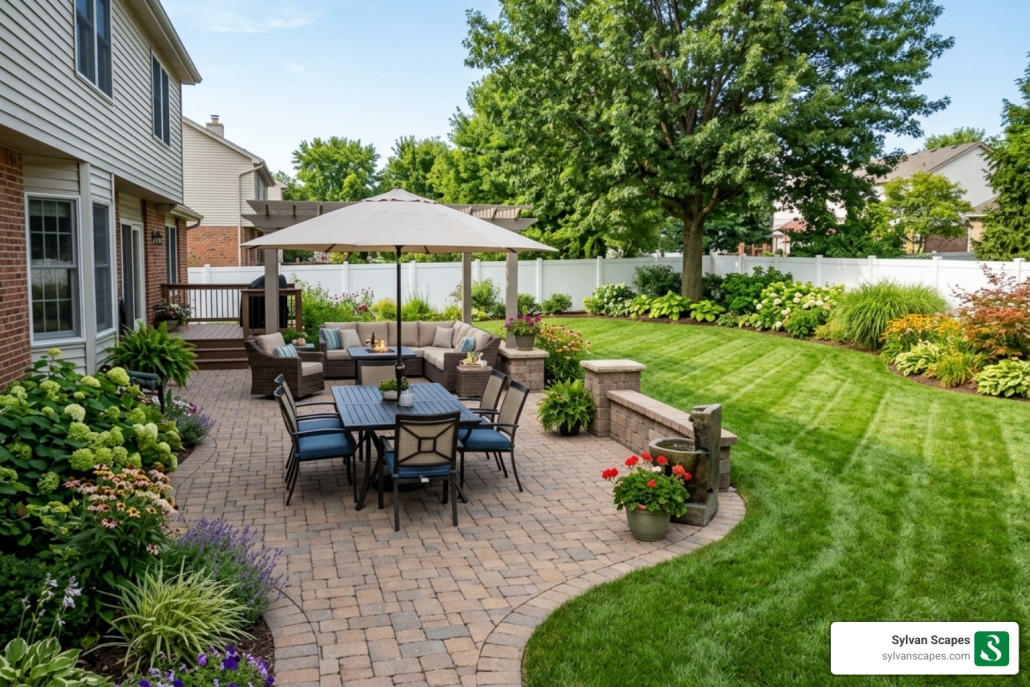
A paver patio can completely transform how you use your outdoor space — whether that’s a quiet evening by a fire pit or hosting family on a summer weekend. But the finished product is only as good as the foundation beneath it. Poor installation leads to shifting, cracking, drainage problems, and expensive fixes. The right contractor gets it right the first time.
I’m Kevin Thompson, founder of Sylvan Scapes and a longtime advocate for quality craftsmanship in outdoor spaces — and through years of coordinating hardscape and grounds work across Augusta, Albemarle, and Rockingham Counties, I’ve seen what separates a trustworthy paver patio contractor from one that cuts corners. This guide will help you ask the right questions, spot the red flags, and make a confident decision.
The Advantages of Pavers
When homeowners in Staunton or Charlottesville consider upgrading their backyards, the debate often boils down to pavers versus poured concrete. While concrete is a common choice, interlocking pavers offer a suite of technical and aesthetic advantages that simply can’t be matched by a single slab.
One of the most significant benefits is structural strength. High-quality interlocking pavers are engineered to be up to four times stronger than conventional poured concrete. Because a paver patio is composed of individual units, the surface is flexible. It can “breathe” and move slightly with the natural shifts of the earth, which is vital in our region where soil conditions and moisture levels fluctuate.
| Feature | Interlocking Pavers | Poured Concrete |
|---|---|---|
| Strength | Approx. 8,000+ PSI | Approx. 3,000 – 4,000 PSI |
| Crack Resistance | High (Joints allow for movement) | Low (Prone to surface cracking) |
| Repairability | Easy (Replace individual units) | Difficult (Requires patching or full demo) |
| Cure Time | Instant (Walk on it immediately) | 3-7 days (No traffic allowed) |
| Maintenance | Low (Occasional sweeping/sealing) | Moderate (Sealing and crack repair) |
Beyond sheer strength, Hardscapes designed with pavers offer superior drainage efficiency. Unlike a solid concrete slab that can collect standing water if not pitched perfectly, the joints between pavers allow for better water management. For those interested in environmental sustainability, we often recommend permeable pavers. These allow rainwater to filter back into the ground, reducing runoff and protecting the local watershed in the Shenandoah Valley.
Perhaps the greatest “peace of mind” benefit is repairability. If a tree root shifts or a heavy object chips the surface, you don’t have to jackhammer the entire patio. A qualified paver patio contractor can simply pop out the damaged stones, fix the base, and reset them. It’s a seamless fix that keeps your investment looking brand new for decades.
Designing Your Space: Materials, Features, and ROI
Designing a patio is about more than just picking a color; it’s about creating a “room” without walls. The material you choose sets the entire tone for your outdoor living experience.

Material Selection
- Natural Stone: Options like bluestone, flagstone, granite, and travertine offer timeless, organic beauty. No two stones are exactly alike, providing a high-end, custom look.
- Concrete Pavers: These are the workhorses of the industry. They come in endless shapes, textures, and colors, often mimicking the look of weathered brick or natural slate while offering uniform thickness for easier installation.
- Clay Brick: Perfect for traditional or colonial-style homes in historic Staunton. They offer rich, permanent color that never fades.
- Porcelain Pavers: A growing trend for 2024, porcelain is incredibly dense, stain-resistant, and slip-resistant, offering a modern, clean aesthetic.
Enhancing Functionality
A patio is the foundation, but the features make it a destination. We often work with clients to integrate:
- Outdoor Kitchens: Complete with grills, prep stations, and even pizza ovens.
- Fire Features: From stone fire pits for roasting marshmallows to elegant outdoor fireplaces.
- Seating Walls: These provide permanent, overflow seating for guests and help define the “edges” of your outdoor room.
Real Estate Value and ROI
Investing in your backyard isn’t just about personal enjoyment; it’s a savvy financial move. According to the Remodeling Impact Report: Outdoor Features, outdoor upgrades consistently rank high for return on investment. For example, a new wood deck can recover about 80% of its cost at resale, and high-quality hardscaping follows a similar trajectory. Real estate experts note that 9% of realtors recommend adding outdoor features before selling, as they significantly increase curb appeal and help close deals faster.
The Professional Installation Journey
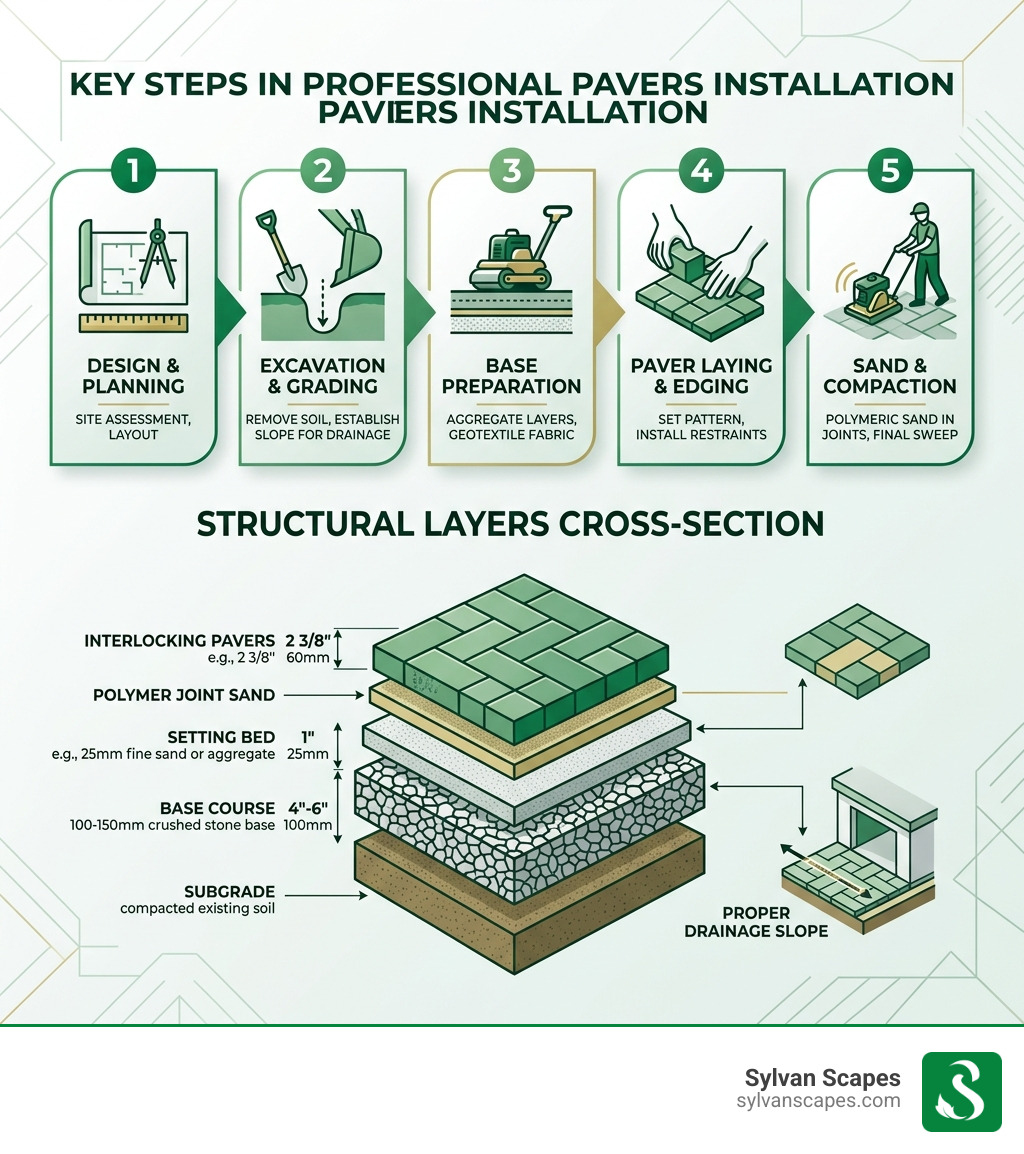
A beautiful patio is like an iceberg—most of the “work” is hidden beneath the surface. If a paver patio contractor shows up and starts laying stones directly on the dirt, stop them immediately. Here is the rigorous process we follow to ensure your patio lasts 30 years rather than three.
1. Site Excavation and Base Preparation
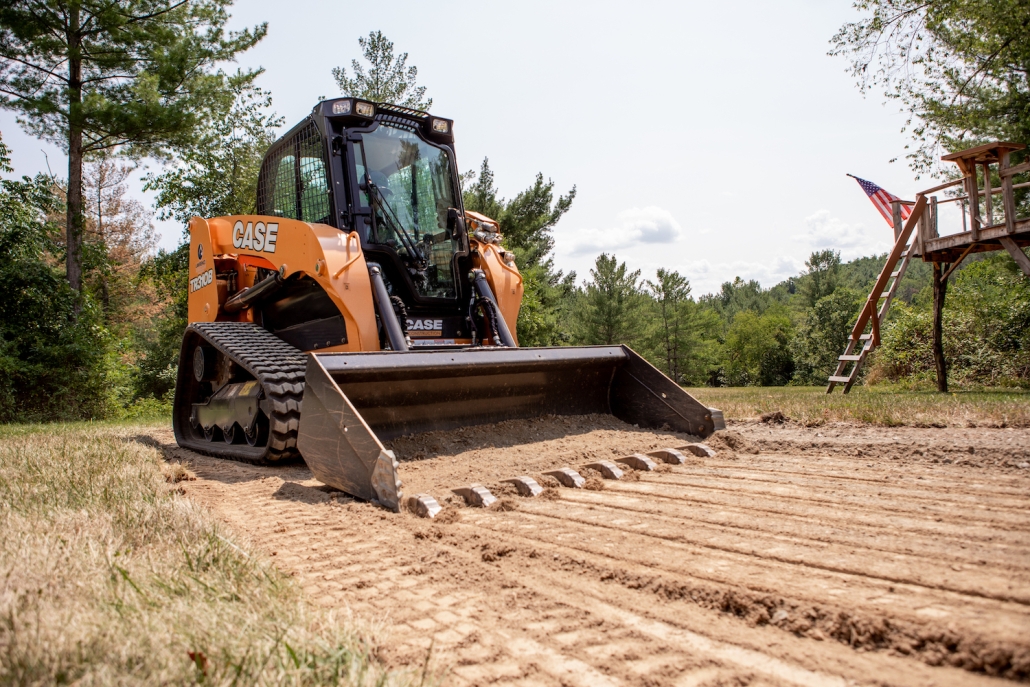
The longevity of your patio depends entirely on the “sub-grade.” We excavate the area to a depth of 8 to 14 inches, depending on the intended load (a walkway needs less than a driveway). We then install a geotextile fabric. This “miracle” layer prevents the native soil from mixing with our clean stone base, which is the primary cause of sinking and “dipping” over time.
2. The Multi-Layered Foundation
We install 4 to 10 inches of Class II baserock aggregate. This isn’t just tossed in; it must be compacted in “lifts” using heavy machinery to ensure there are no air pockets. On top of this goes a one-inch layer of bedding sand, which acts as the “cushion” for the pavers to sit in.
3. Regional Climate Considerations
In the Shenandoah Valley, we deal with “freeze-thaw” cycles. When water in the ground freezes, it expands. If your patio isn’t graded for proper runoff or doesn’t have a solid compacted base, the ice will heave the pavers out of place. Professional paver patio contractors ensure a minimum 1-2% slope away from your home’s foundation to prevent water damage and ice buildup.
4. Finishing Touches
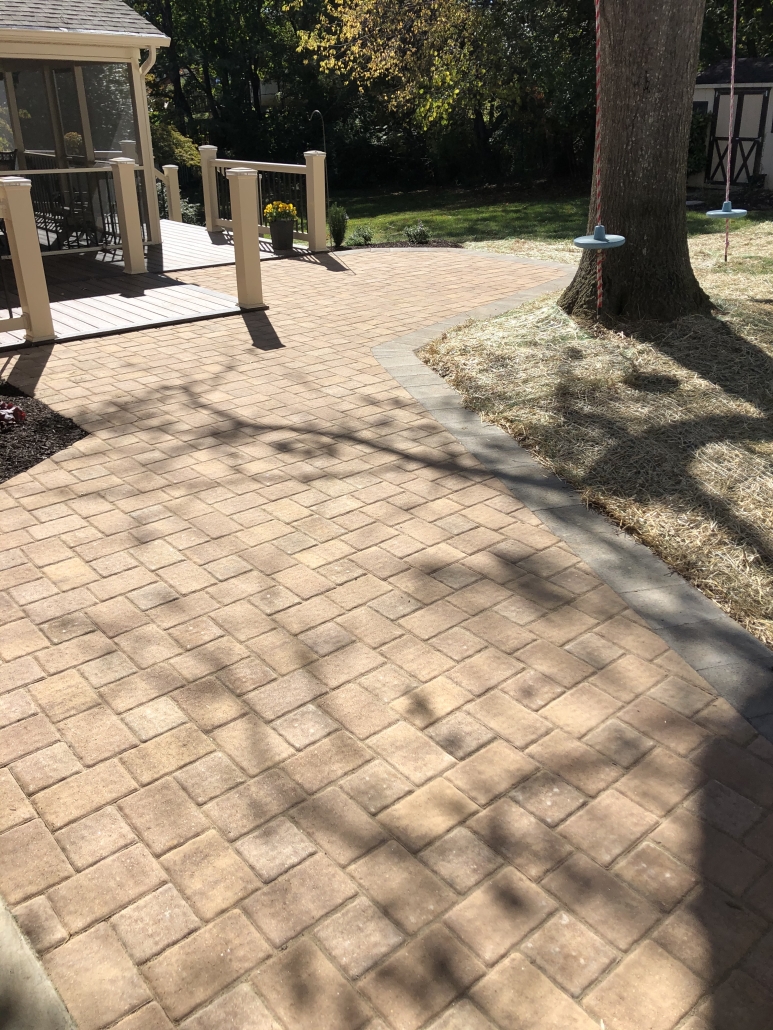
Once the pavers are hand-laid in your chosen pattern (like herringbone or basketweave), we install edge restraints. These are invisible borders that keep the stones from “creeping” outward over time. Finally, we sweep in polymeric sand. This special sand contains a binding agent that, once misted with water, hardens like mortar. It keeps the pavers locked in place, prevents weed growth, and stops ants from making homes in your joints.
How to Vet and Hire Reliable Paver Patio Contractors
Hiring a contractor can feel like a gamble, but you can stack the odds in your favor by looking for specific credentials. You aren’t just looking for someone with a truck and a shovel; you’re looking for an artisan and an engineer.
- ICPI Certification: This is the “gold standard.” It means the contractor has undergone formal training and passed exams on the technical aspects of interlocking pavements.
- Liability and Workers’ Comp: Never hire a crew that isn’t fully insured. If a worker is injured on your property or a machine hits your house, you could be liable without this coverage.
- 3D Design Modeling: Many top-tier paver patio contractors now offer 3D renderings before they ever break ground. This allows you to see exactly how the patio flows with your home’s back door and landscaping.
- Labor Warranties: At Sylvan Scapes, we believe in our work, which is why we offer robust warranties. Reputable pros typically offer at least a 3-year labor warranty, while manufacturers often provide lifetime warranties on the stones themselves.
Essential Questions for Paver Patio Contractors
Before signing a contract, pull the contractor aside and ask:
- “Will you be using subcontractors?” We prefer in-house crews because it ensures consistent quality control.
- “How deep do you excavate for the base?” If they say “a few inches,” keep looking.
- “How do you handle drainage?” They should have a clear plan for where rainwater will go.
- “What is your cleanup procedure?” You don’t want pallets and stone dust left in your yard for weeks.
Red Flags When Interviewing Paver Patio Contractors
- The “Low-Ball” Estimate: If one quote is 40% lower than the others, they are likely skipping the geotextile fabric or using a thinner base.
- No Portfolio: If they can’t show you photos of projects they’ve done in Albemarle or Augusta County, they might be “learning” on your lawn.
- Vague Warranties: “I’ll come back if it breaks” isn’t a warranty. Get it in writing.
Maintaining Your Investment for Long-Term Beauty
One of the reasons pavers are so popular is that they are relatively low-maintenance, but “low” doesn’t mean “no.” A little bit of love goes a long way in preserving that “just installed” look.
Routine Care
The best thing you can do for your patio is to keep it clean. Regularly sweep away leaves, dirt, and debris. If organic matter is left to rot on the surface, it can cause minor staining. A simple garden hose and a mild detergent are usually all you need for a seasonal deep clean.
Joint Stabilization
Every few years, check your joints. If the polymeric sand has washed away in certain spots, it needs to be topped off. This prevents weeds from finding a foothold and keeps the interlock strong.
Professional Sealing
While not strictly required, we highly recommend sealing your pavers every 3 to 5 years. Sealing does three things:
- Enhances Color: It gives the stones a “wet look” or a deep matte finish that makes the colors pop.
- Resists Stains: It creates a barrier against oil, grease, and wine spills.
- Protects the Surface: It helps prevent “dusting” and wear from the elements.
Winter Care in Virginia
When the snow falls in Keswick or Staunton, be careful with your shovel. Use a plastic shovel or a snowblower with a rubber edge to avoid scratching the pavers. Avoid using harsh rock salt (sodium chloride), which can pit the surface of some concrete pavers. Instead, use sand for traction or calcium chloride-based de-icers, which are gentler on the stone.
Frequently Asked Questions about Paver Patio Contractors
How much do paver patio contractors typically charge?
The cost of a paver patio varies based on several factors. On average, you can expect to pay between $15 and $30 per square foot. Factors that influence the price include:
- Material Choice: Natural stone is more expensive than standard concrete pavers.
- Site Accessibility: Can we get a skid-steer into the backyard, or do we have to move 20 tons of stone by hand?
- Demolition: Removing an old concrete slab or a rotting wood deck adds to the labor.
- Complexity: Curved edges and intricate patterns require more “finesse cutting” and take longer to install.
How long does a typical paver patio installation take?
For a standard 400-square-foot patio, the timeline is usually 3 to 7 days.
- Day 1: Excavation and hauling.
- Day 2: Base installation and compaction.
- Day 3-5: Laying pavers and cutting edges.
- Day 6-7: Sanding, vibrating the stones into the base, and final cleanup. Weather is the biggest wild card—heavy rain can delay base compaction.
Do paver patios require a lot of maintenance?
No. Compared to a wood deck that needs staining every year or a concrete slab that needs crack injections, pavers are very easy. The use of polymeric sand has revolutionized the industry by virtually eliminating the “weed problem” that used to plague old-fashioned brick patios.
Conclusion
A custom paver patio is an investment in your home’s value and your family’s quality of life. By choosing a qualified paver patio contractor who understands the unique soil and climate of the Shenandoah Valley, you ensure that your outdoor retreat remains beautiful and stable for decades to come.
At Sylvan Scapes, we bring over 20 years of experience to every project. As an ISA Certified Arborist and a company deeply rooted in the Staunton and Charlottesville communities, we don’t just “lay stones”—we build foundations for memories. Whether you envision a sprawling entertainment zone or a quiet garden path, our team is here to guide you from the first 3D design to the final sweep of sand.
Ready to transform your backyard? Connect with a Staunton Hardscape Company that treats your home like its own. Let’s start laying the groundwork for your dream patio today.