Staunton Residential Turf Care Secrets for a Perfect Yard
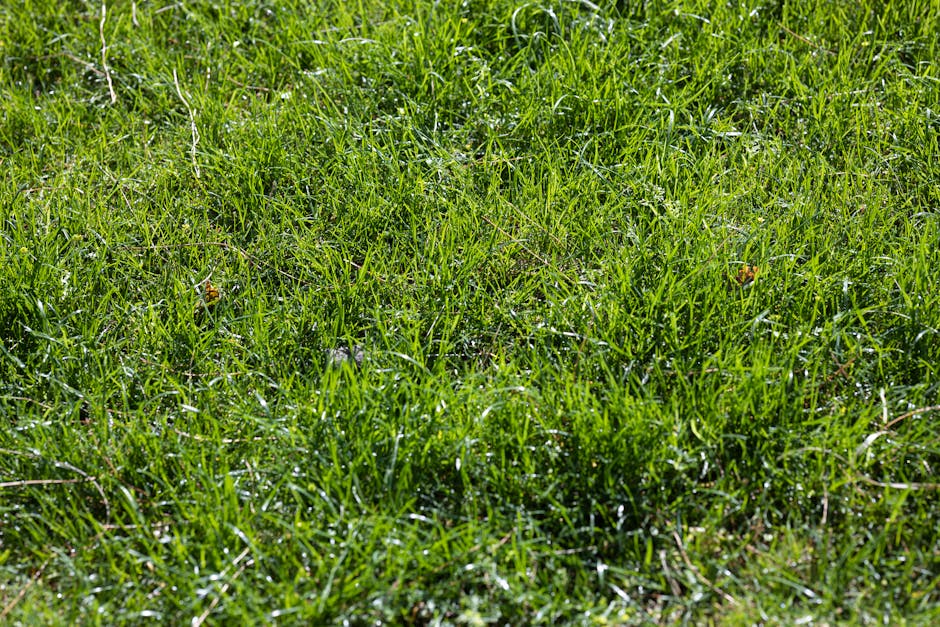
Why Your Lawn Struggles in Staunton (And What to Do About It)
Staunton residential turf care is uniquely challenging because the city sits in a climate transition zone — too warm for purely cool-season grasses, too cool for purely warm-season grasses to thrive year-round.
Here’s a quick snapshot of what Staunton homeowners need to know:
| Key Factor | What You Need to Know |
|---|---|
| Best grass types | Bermudagrass (35%), Tall Fescue (25%), Centipedegrass (11%) |
| Mowing frequency | Biweekly (47%), Weekly (24%), Monthly (29%) |
| Ideal cutting height | 2-3 inches (preferred by 78% of Staunton homeowners) |
| Average lawn care cost | $602/year total; $267 for mowing service |
| Most neglected practices | Only 15% fertilize, 9% aerate — both are critical here |
Most Staunton yards aren’t struggling because of bad luck. They’re struggling because generic lawn care advice doesn’t account for the Shenandoah Valley’s specific soil, rainfall patterns, and temperature swings.
This guide covers exactly what works — and what doesn’t — for lawns in this region.
I’m Kevin Thompson, founder of Sylvan Scapes and an ISA Certified Arborist with over two decades of hands-on grounds maintenance experience across Augusta, Albemarle, and Rockingham Counties. I’ve built our approach to staunton residential turf care around what actually produces results in this specific climate, not what looks good on a generic lawn care checklist.
Understanding the Staunton Transition Zone
Living in the Shenandoah Valley means we reside in what agronomists call the “transition zone.” This is a geographic belt where the humid subtropical climate of the South meets the humid continental climate of the North. For staunton residential turf care, this means we have a bit of a “Goldilocks” problem: it’s often too hot in the summer for Northern grasses like Kentucky Bluegrass, yet too cold in the winter for Southern grasses like St. Augustine to survive without significant stress.
To manage a lawn here successfully, you have to understand which “team” your grass plays for. In Staunton, the breakdown of popular grass types reflects this tug-of-war:
| Grass Type | Popularity in Staunton | Type | Pros | Cons |
|---|---|---|---|---|
| Bermudagrass | 35% | Warm-Season | Extremely drought-tolerant; stands up to heavy foot traffic. | Turns brown (dormant) at the first frost; needs full sun. |
| Tall Fescue | 25% | Cool-Season | Stays green longer into winter; handles shade better than Bermuda. | Can struggle in 90°F+ heat; requires overseeding to stay thick. |
| Centipedegrass | 11% | Warm-Season | “Lazy man’s grass”—slow growing and requires less fertilizer. | Sensitive to iron deficiencies and cold snaps. |
The remaining percentage of lawns in our area often feature Perennial Ryegrass or Zoysiagrass. Because our soil types in Augusta County often lean toward heavy clay or rocky limestone bases, drainage and pH balance become massive factors in turf health. If you aren’t sure what you’re growing, you might be fertilizing at the wrong time—feeding a grass that’s trying to go sleep, or starving one that’s ready to sprint.
Essential Staunton Residential Turf Care Practices
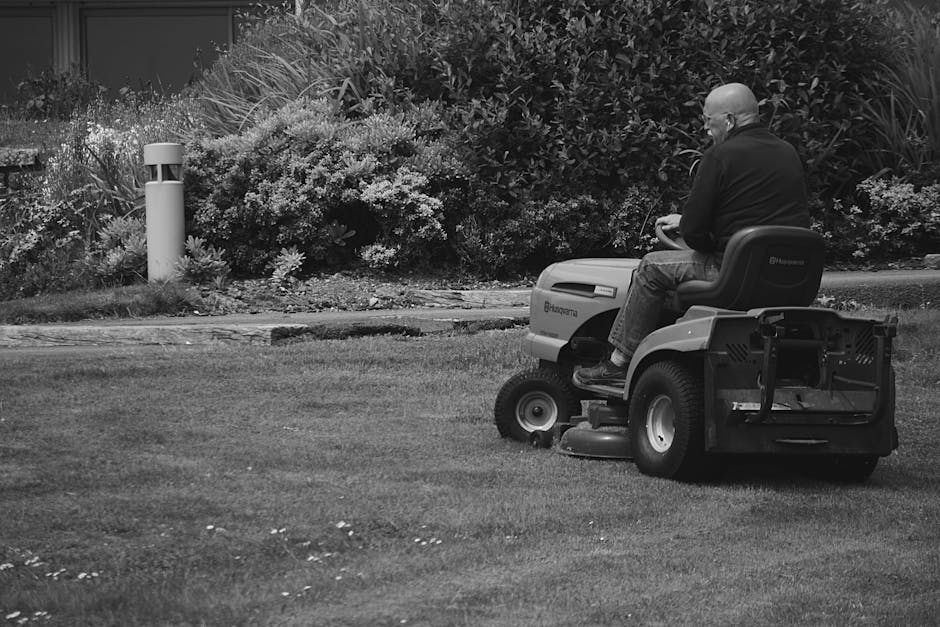
Maintaining a high-quality lawn isn’t just about how much you do; it’s about the precision of your habits. In Staunton, we see a wide variety of maintenance schedules. Statistics show that 47% of residents opt for biweekly cuts, while 24% stick to a weekly routine. However, the most successful lawns are usually those mowed based on growth rate rather than the calendar.
The Golden Rule of Mowing Height
One of the most interesting local stats is that 78% of Staunton residents prefer a short grass height of 2-3 inches. While this looks “neat,” we often advise homeowners to stay on the higher end of that range, especially for Tall Fescue. Keeping your grass at 3 inches provides shade to the soil, which reduces water evaporation and prevents weed seeds from germinating.
If you have Bermudagrass, you can get away with a shorter 1.5 to 2.5-inch height, but remember: the shorter you cut, the more frequently you must mow. You should never remove more than one-third of the grass blade in a single cutting. If you’ve missed a week and the grass is shaggy, don’t scalp it! Take it down in stages to avoid shocking the plant.
Watering and Weeds
In the Shenandoah Valley, our rainfall can be unpredictable. Effective staunton residential turf care requires deep, infrequent watering rather than daily light sprinkles. Aim for about one inch of water per week, delivered in the early morning hours to prevent fungal diseases.
When it comes to identifying weeds, Staunton residents frequently battle Crabgrass, Henbit, and Broadleaf Plantain. A thick, healthy turf is your best defense against these invaders. When your grass is dense, weeds simply don’t have the “real estate” to move in. You can see examples of well-maintained, weed-free properties in our Portfolio Turf section.
Seasonal Staunton Residential Turf Care Schedules
Your lawn’s needs change as the Blue Ridge Mountains change colors. Here is how to time your efforts:
- Spring Recovery: This is the time for pre-emergent weed control. As the soil warms up, we want to stop crabgrass before it starts. For cool-season lawns, it’s a secondary growth spurt; for warm-season lawns like Bermuda, it’s the “green-up” phase.
- Summer Dormancy: In July and August, many Tall Fescue lawns will naturally go dormant to protect themselves from the heat. Don’t over-fertilize during this time! You’ll only stress the grass. Focus on hydration and pest monitoring.
- Fall Growth: This is the “Super Bowl” of staunton residential turf care. For 25% of our local lawns (the Fescues), fall is the time for repair, aeration, and heavy nutrient loading.
- Winter Preparation: Before the snow hits, ensure your last mow is slightly shorter to prevent “snow mold” and clear all leaves. Leaves left on the turf will block sunlight and trap moisture, effectively suffocating your grass by spring.
Advanced Maintenance: Aeration, Overseeding, and Fertilization
If you want a lawn that looks like a professional ballpark, you have to look beneath the surface. Currently, only about 9% of Staunton lawns are aerated annually, and only 15% receive regular fertilization. This is a missed opportunity for the other 85% of homeowners.
Why Aeration is Non-Negotiable
Our Virginia clay is notorious for compacting. When soil compacts, air, water, and nutrients can’t reach the roots. Aeration involves pulling small “plugs” of soil out of the ground. This allows the lawn to “breathe” and creates the perfect environment for overseeding.
For most Staunton residents, we recommend core aeration in the fall. This process also helps with erosion control, as it allows rainwater to soak into the ground rather than sheeting off the surface and taking your topsoil with it.
Nutrient Management
Fertilization isn’t just about making the grass green; it’s about building a robust root system. A professional Staunton Landscaping Company Turf Maintenance program will typically involve a soil test first. Why? Because Augusta County soil can be acidic. If your pH is off, you can throw all the fertilizer you want at the lawn, and the grass won’t be able to “eat” it. We often apply lime to balance the acidity, ensuring your 15% fertilization investment actually yields results.
Professional vs. DIY: Costs and Benefits in Augusta County
Many homeowners enjoy the “Saturday morning ritual” of pushing a mower. Others find it a grueling chore that eats up precious weekend time. Let’s look at the numbers for Staunton:
- Average Annual Professional Cost: $602
- Average Mowing Service: $267
- DIY Hidden Costs: Mower purchase ($300-$600), fuel, blades, fertilizer spreaders, aeration rentals ($70/day), and—most importantly—your time.
Why Professional Staunton Residential Turf Care Wins
While DIY is certainly possible, professional residential services offer several advantages that go beyond just “saving time”:
- Expert Knowledge: We know the difference between a fungal spot and a nitrogen burn. Misdiagnosing a lawn issue can lead to expensive mistakes.
- Commercial Equipment: Our mowers provide a cleaner cut with sharper blades, and our aerators penetrate deeper than most consumer-grade rentals.
- Consistency: 47% of Staunton lawns are mowed biweekly, but during the heavy growth of May, a lawn might need a cut every 5 days. Professionals can adjust to the “flush” of growth.
- Property Value: A lush lawn provides an immediate boost to curb appeal. Whether you are in a historic Staunton district or a new development, a well-kept yard reflects the care put into the entire home.
- Licensed Application: Professionals have access to higher-grade fertilizers and weed controls that aren’t always available at big-box retailers. Plus, we are trained in the safe, environmentally responsible application of these products.
For those managing larger properties or business fronts, we also provide specialized Staunton Commercial Landscaping Company Turf Maintenance to ensure your business makes the right first impression.
Frequently Asked Questions about Staunton Turf
What is the best grass for Staunton, VA?
Because we are in the transition zone, there isn’t one “perfect” grass. However, Tall Fescue is generally the most versatile for residential yards because it stays green for the majority of the year and handles our cold winters well. If your yard gets punishing, all-day sun and you don’t mind the lawn going brown in winter, Bermudagrass is an incredibly tough, low-maintenance alternative.
How often should I water my lawn in the Shenandoah Valley?
Most lawns need about 1 inch of water per week. In Staunton, we often get enough rain in the spring and fall to cover this. During the heat of July, you should water deeply twice a week (about 0.5 inches each time) in the early morning. Avoid watering at night, as the lingering moisture can lead to “brown patch” and other fungal issues common in our humid summers.
When is the best time to aerate and seed in Staunton?
For the 25% of residents with Tall Fescue, the absolute best time is late August through September. This allows the new seeds to germinate and establish roots before the first frost. For Bermudagrass (the 35% majority), aeration should actually be done in the late spring or early summer when the grass is in its most active growth phase.
Conclusion
Achieving a magazine-worthy lawn in the Shenandoah Valley doesn’t require “secrets”—it requires a strategy tailored to our unique climate. From choosing between Bermudagrass and Tall Fescue to timing your aeration perfectly, every decision impacts the health of your turf.
At Sylvan Scapes, we’ve been serving Staunton and the surrounding counties since 2003. As an ISA Certified Arborist-led company, we look at your landscape as a whole ecosystem, ensuring your turf, trees, and shrubs thrive together. Whether you need a one-time renovation or a recurring maintenance plan, we bring professional-grade expertise to every blade of grass.
Ready to stop guessing and start growing? Schedule your professional grounds maintenance today and let us take the “work” out of your yard work.